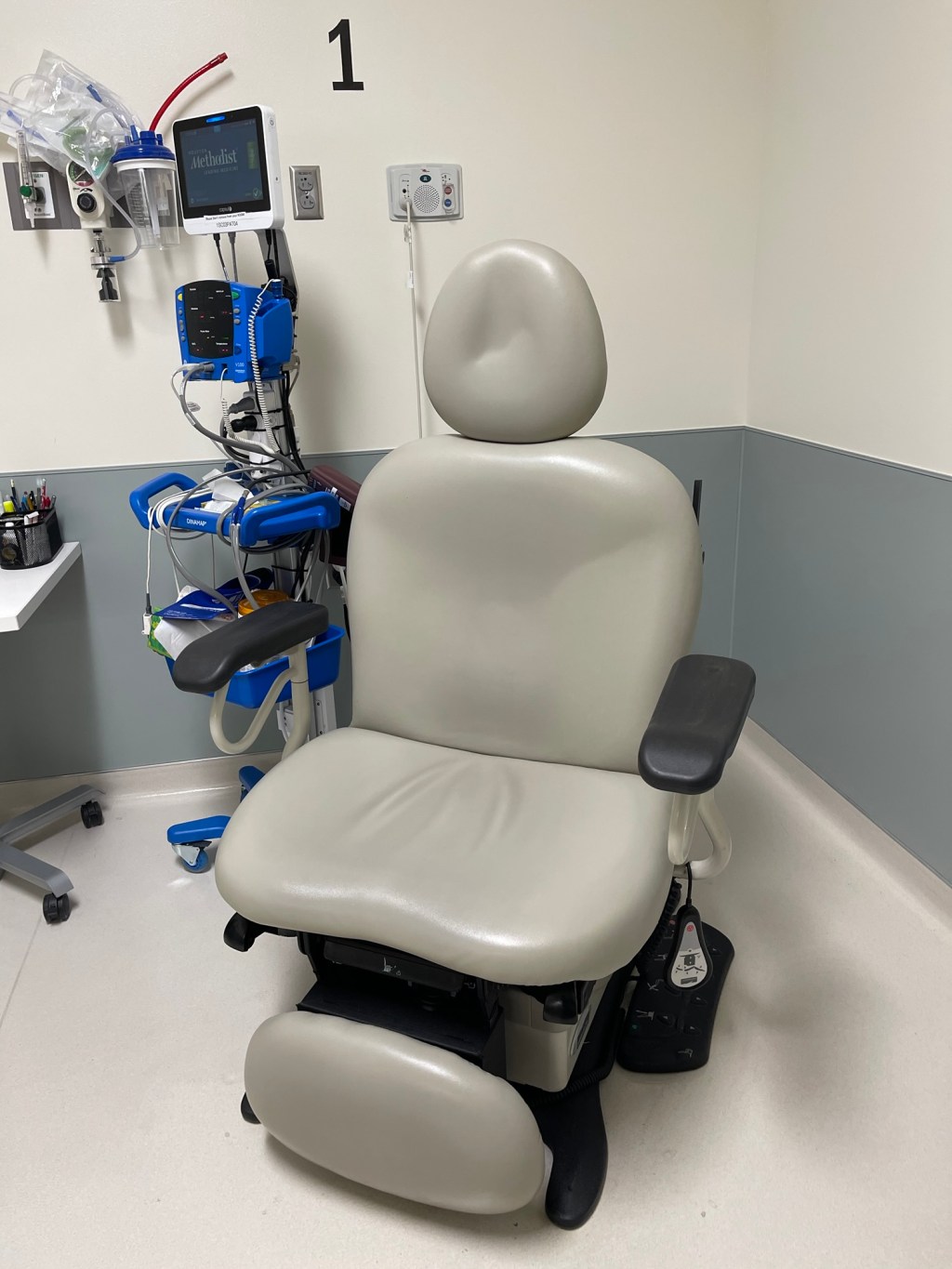
Today I went in for pre-admit testing—the last round of labs, forms, and clearances before my upcoming surgery on March 4th. This entire appointment was ordered by Dr. Lim, my breast surgeon, to ensure I’m cleared and fully prepared for the procedure ahead.
I arrived at the facility, checked in at the front desk, and took a seat in the waiting area. As I glanced around the room, I could see the different faces—many of them still, solemn, and filled with emotion. You could feel it in the air: the quiet tension of people waiting to hear something that could shape their futures. Every person there, in some way, was carrying the weight of uncertainty.
I noticed a few familiar faces—staff I’d seen in passing over the last few months. There were polite nods and quiet smiles, but overall, the waiting room was just… still. Eerily quiet. There was something sobering about it. No small talk, no laughter—just people lost in thought, waiting for their names to be called.
After about 15 minutes, my name was called. I walked over to a desk where my information was verified, and I signed a few necessary consents. Then I was sent back to the waiting area to await the next step.
Soon after, a nurse called me to the back. The process was smooth but thorough. First, they confirmed my height and weight, checking everything against the surgical record. Then, I was asked to provide a urine sample and had my vital signs taken—blood pressure, heart rate, temperature. Next came the questionnaire. A long list of questions about my medical history, current medications, and allergies.
What struck me in that moment was how much had changed. Before this diagnosis, I had no medications, no health conditions, no history of surgery or illness. Now, my chart is filled with diagnosis codes, treatments, infusions, and prescriptions. Cancer has a way of rewriting your medical identity without asking permission.
They drew my blood for labs and explained the final pre-op instructions.
I was instructed to bathe with a surgical scrub the night before and the morning of surgery. The surgical scrub is a special antiseptic cleanser used to reduce the number of germs on the skin before surgery. It’s designed to kill bacteria and lower the risk of infection at the surgical site. Even though our skin looks clean, it naturally harbors bacteria, and using a surgical scrub helps protect against complications during and after surgery.
I tucked the bottle of scrub into my bag, listened to the rest of the instructions, and thanked the nurse. As I walked out of the suite, I felt a quiet shift inside me.
This is really happening. In a few days, I’ll be under anesthesia, having a lumpectomy and lymph node surgery—steps that are both terrifying and hopeful. This wasn’t just a box to check today. It was a pause. A breath before the next climb. And even though fear lingers in the corners of my thoughts, I know I’m walking forward—prepared, informed, and surrounded by care.
 Practicing Medicine
Leave a comment