This journey has been a rollercoaster of various adjustments, including food, lifestyle and medication regimens. In my case, the oncologist prescribed lisinopril, a blood pressure medication, to maintain healthy blood pressure levels. This was one of the first steps in safeguarding my overall health throughout the process. Lisinopril was not just about managing blood pressure; its role extended to protecting my kidneys, a vital consideration in cancer treatment.
Following my initial infusion treatment, I experienced elevated blood pressure level. This prompted concerns and questions about the efficacy of the medication and its interaction with the treatment process. My blood pressure was checked after I started having a reaction to the medication and after I was told that the infusions would be halted for the day. This brought forth a myriad of questions and concerns. Could the increase in blood pressure be a result of the stress endured at treatment, or was it a potential side effect of the medication itself? Additionally, was the dosage of lisinopril adequate for my specific needs, or did it require adjustment based on my body’s response? These uncertainties underscored the importance of ongoing communication with healthcare providers to address emerging issues and ensure optimal care throughout my treatment.
The oncologist suggested increasing my dose from 5 mg to 10mg. The subsequent adjustment to my medication aimed to better manage my blood pressure and minimize potential complications. As patients, it’s essential to remain proactive in understanding the rationale behind medication changes and advocating for personalized care tailored to individual needs and responses. My treatment was on Wednesday and Thursday of the previous week, so I wanted to allow time for the medication to work. This week, I completed a log of blood pressure readings and provided the following to the provider’s office:
Tues 2100 121/94 HR 75
Wed. 0610 135/98 HR 67; 2106 139/98 HR 72
Thur. 0813 136/93 HR 68; 2210 129/98 HR 72
Fri. 1216 129/100 HR 80
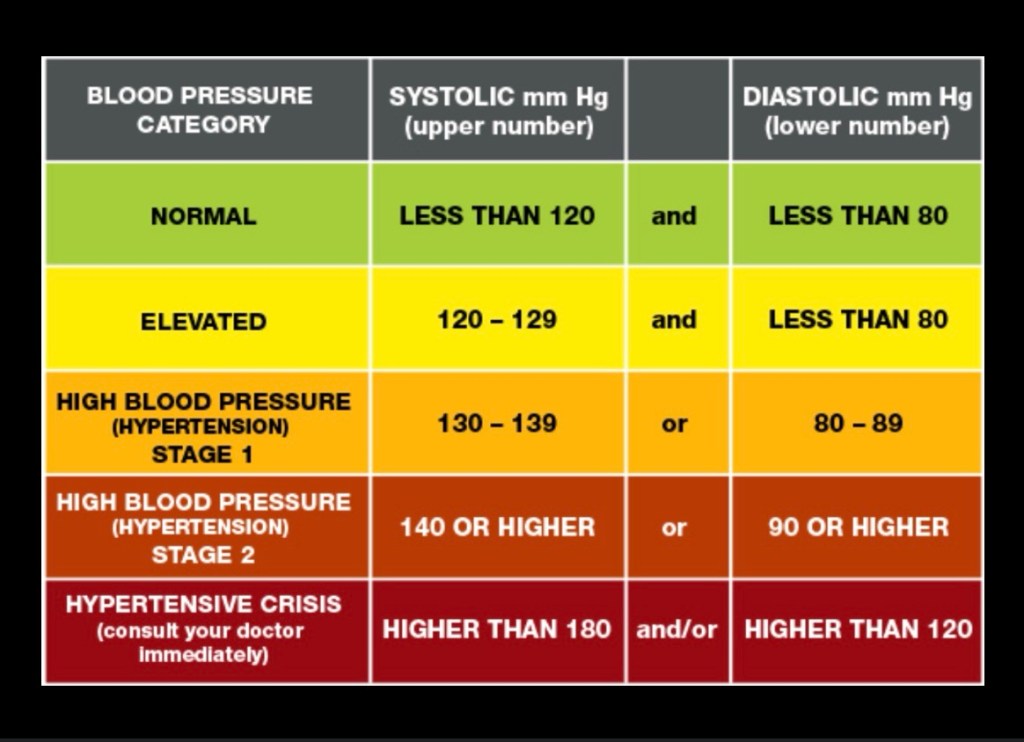
The systolic blood pressure number measures the pressure in your blood vessels when your heart beats, indicating the force exerted against artery walls during heart contractions. It represents the maximum pressure in your arteries during a cardiac cycle and is the top number in a blood pressure reading. On the other hand, the diastolic blood pressure number measures the pressure in your blood vessels between heartbeats, specifically during the relaxation phase of the cardiac cycle. It reflects the minimum pressure in your arteries when your heart is at rest and is the bottom number in a blood pressure reading.
I was told that my numbers were perfect, and the goal was for the numbers to fall below 140. This provider was referring to the systolic number, the top number. Being that I am a healthcare provider, I know that the diastolic number, the bottom number, holds some significance also. So, I inquire about the diastolic numbers. I was told that he hadn’t paid any attention to them. I could not believe what I was told. I was appalled that this was acceptable. How could someone that was placed in charge of my care, not pay attention to vital signs that could predict my overall outcome? If I were a patient without any health knowledge, I would have placed my trust in people that didn’t pay attention to me. Would everyone be functioning in autopilot? This was supposed to be collaborative effort with my medical team and I working hand in hand to tailor the treatment plan to my individual needs and responses.
I soon realized that I needed to coordinate my care myself. I reached out to my PCP and scheduled an appt. As I navigated through the twists and turns of treatment, one thing became abundantly clear: the importance of self advocacy.
 Practicing Medicine
Leave a comment